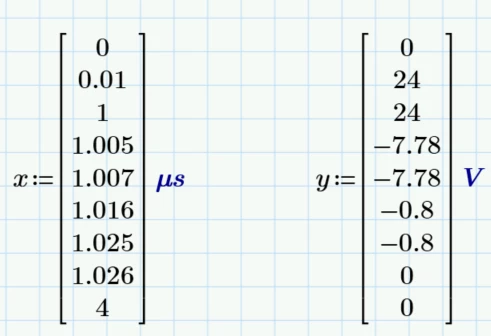
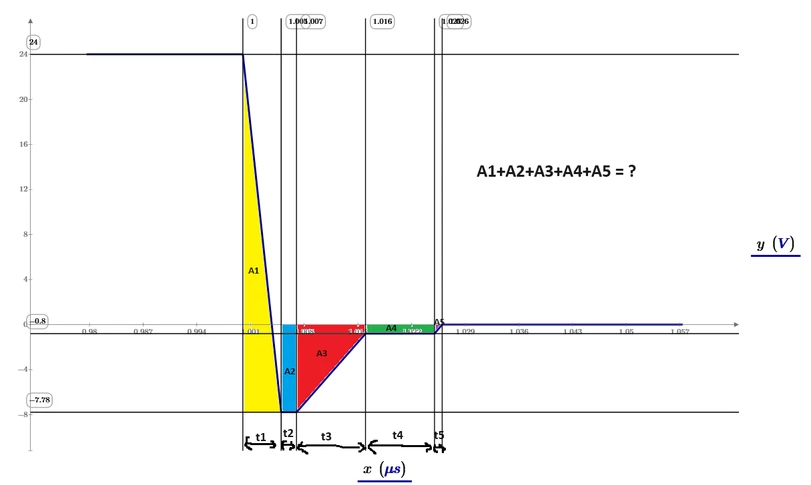
Just a thought - I'd think that since any solution is going to have the vertices known - you could then use the surveyor formula/shoelace formula to find the area. A nifty trick Werner taught me years ago that has helped me a lot.
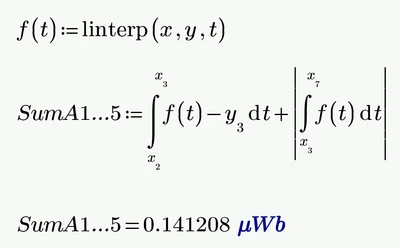
only a guess, but since the shoelace formula closes itself (i.e. back to (0,0) the negative y values act as a negative area - since the lines cross themselves. But if you define A1, A2, etc as unique closed areas of vertices those areas should give the same values as integrating or other geometry. Since you have a mix of triangles and rectangles and others, this one formula will suffice once your have the vertices defined.
Translate
Windchill Satisfaction Survey
Help shape the future of Windchill. Take our 5-minute survey and share your feedback.