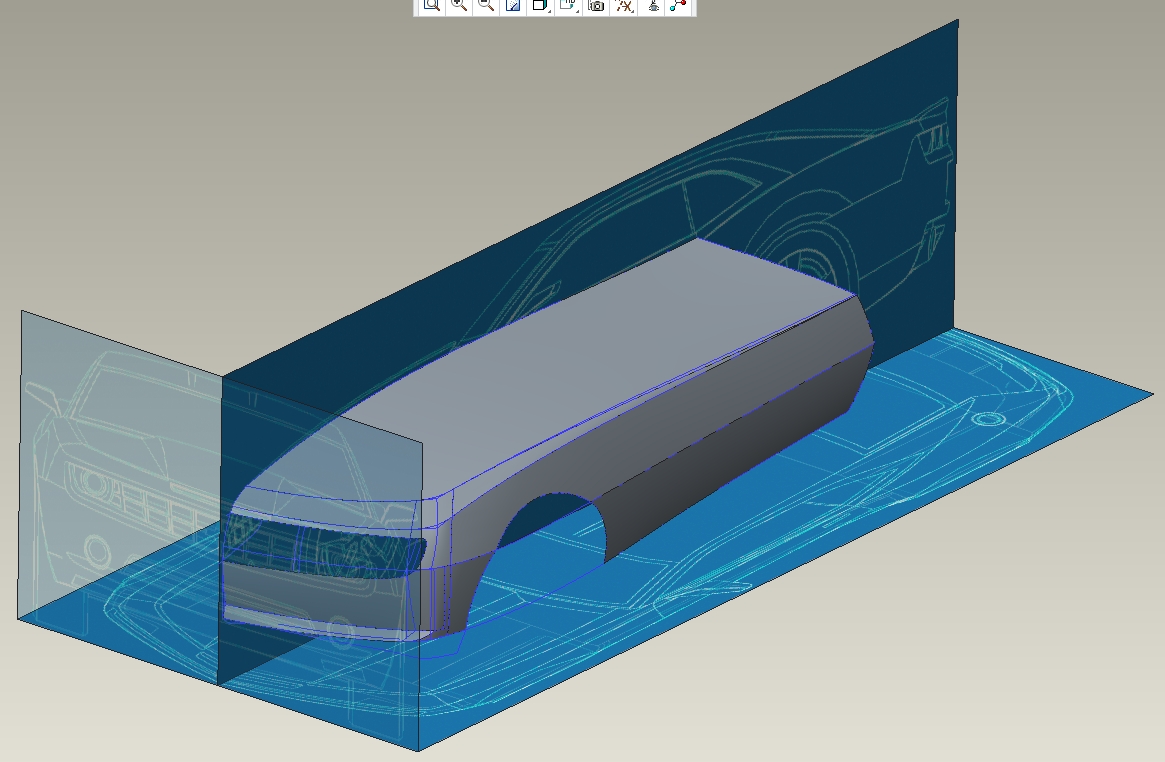
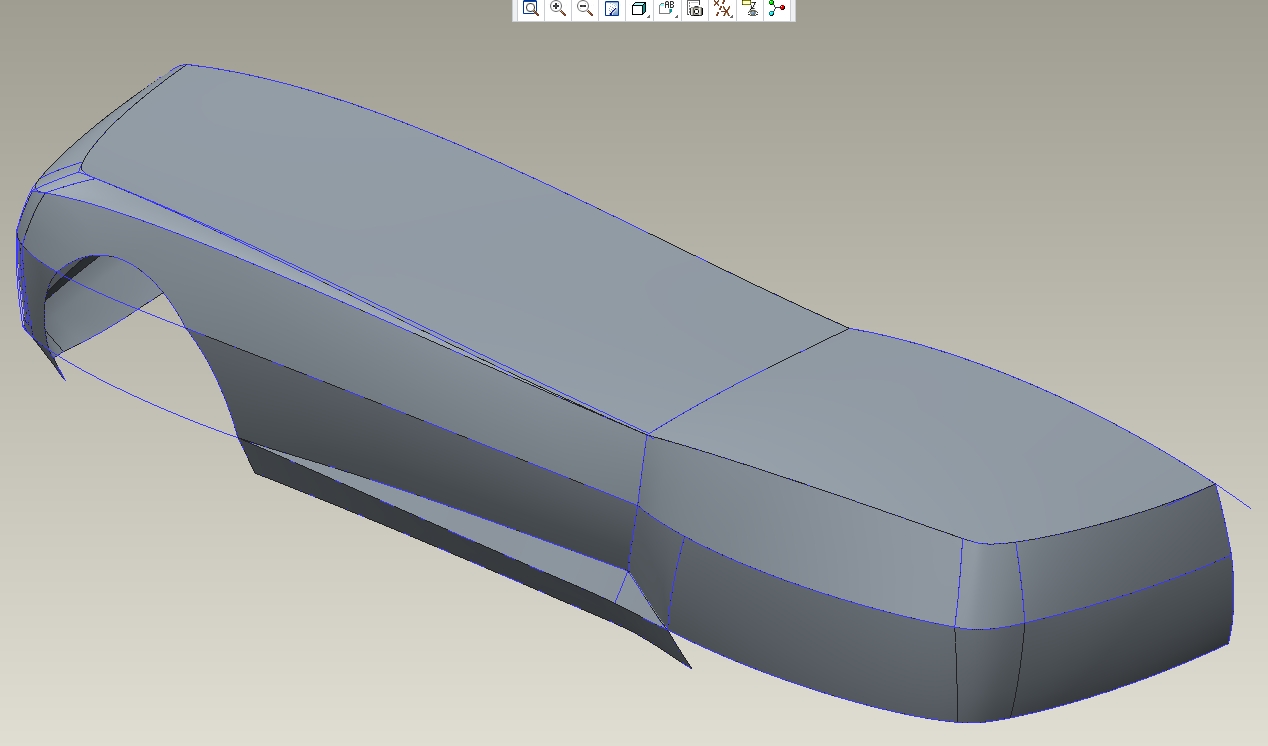
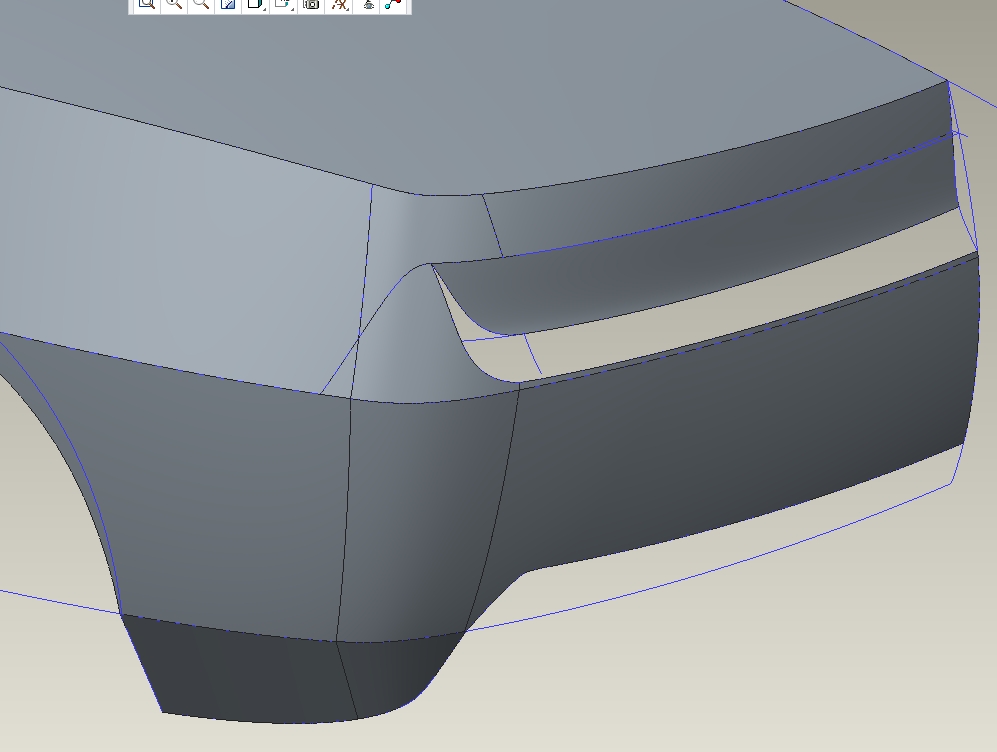
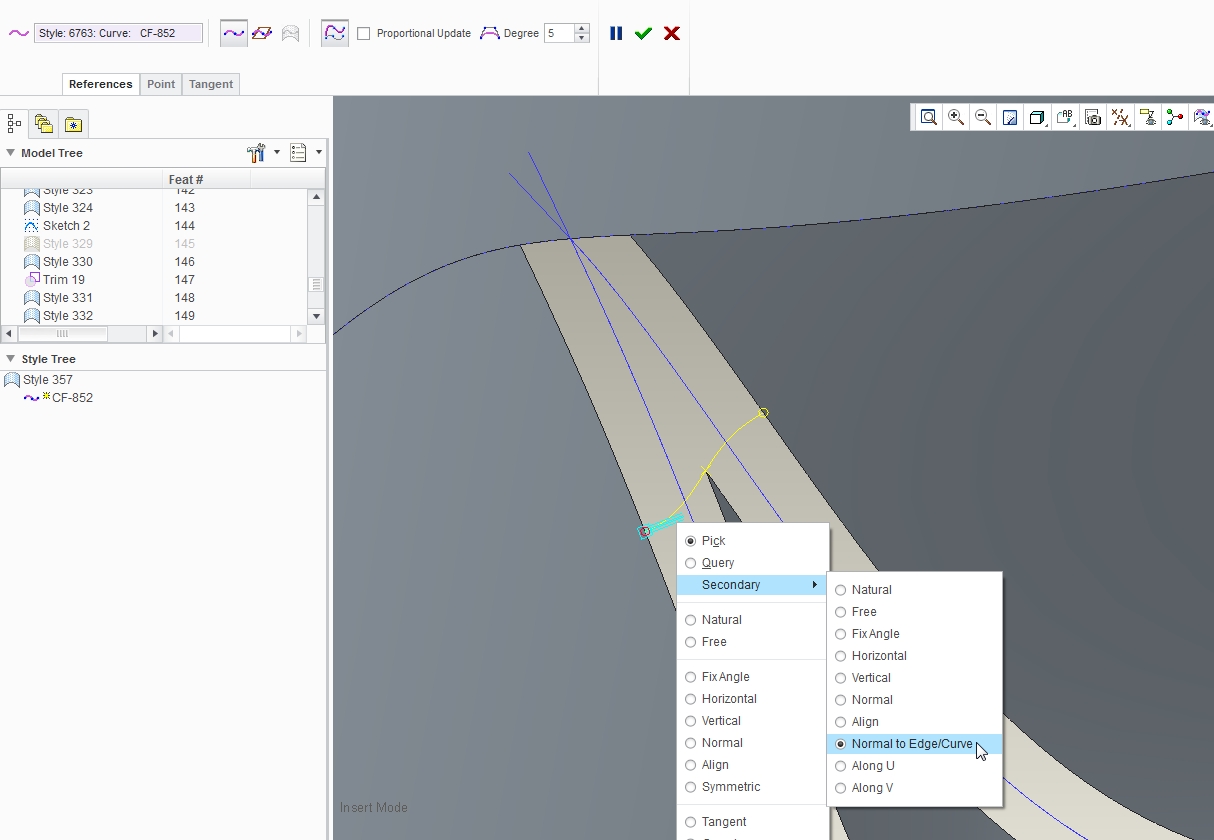
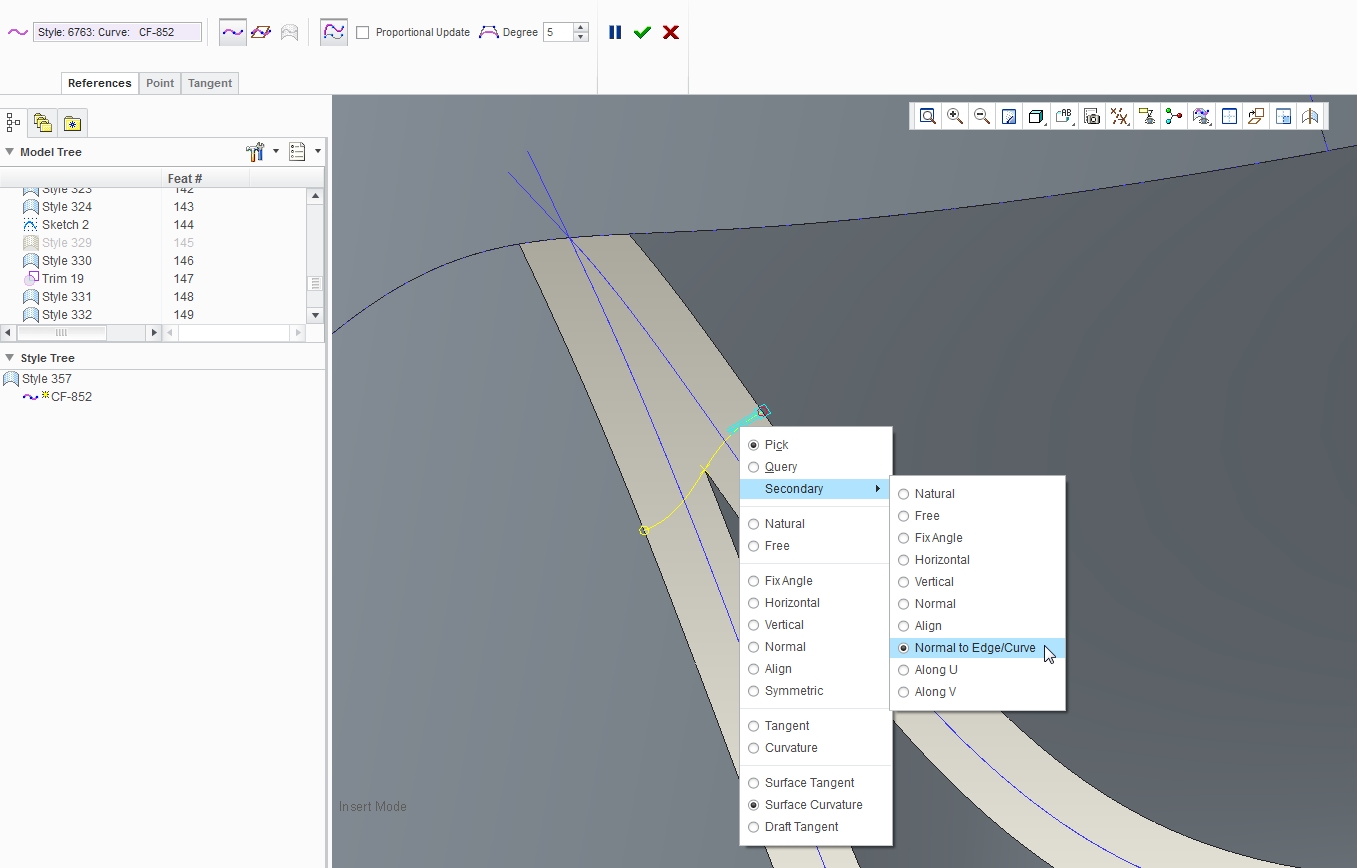
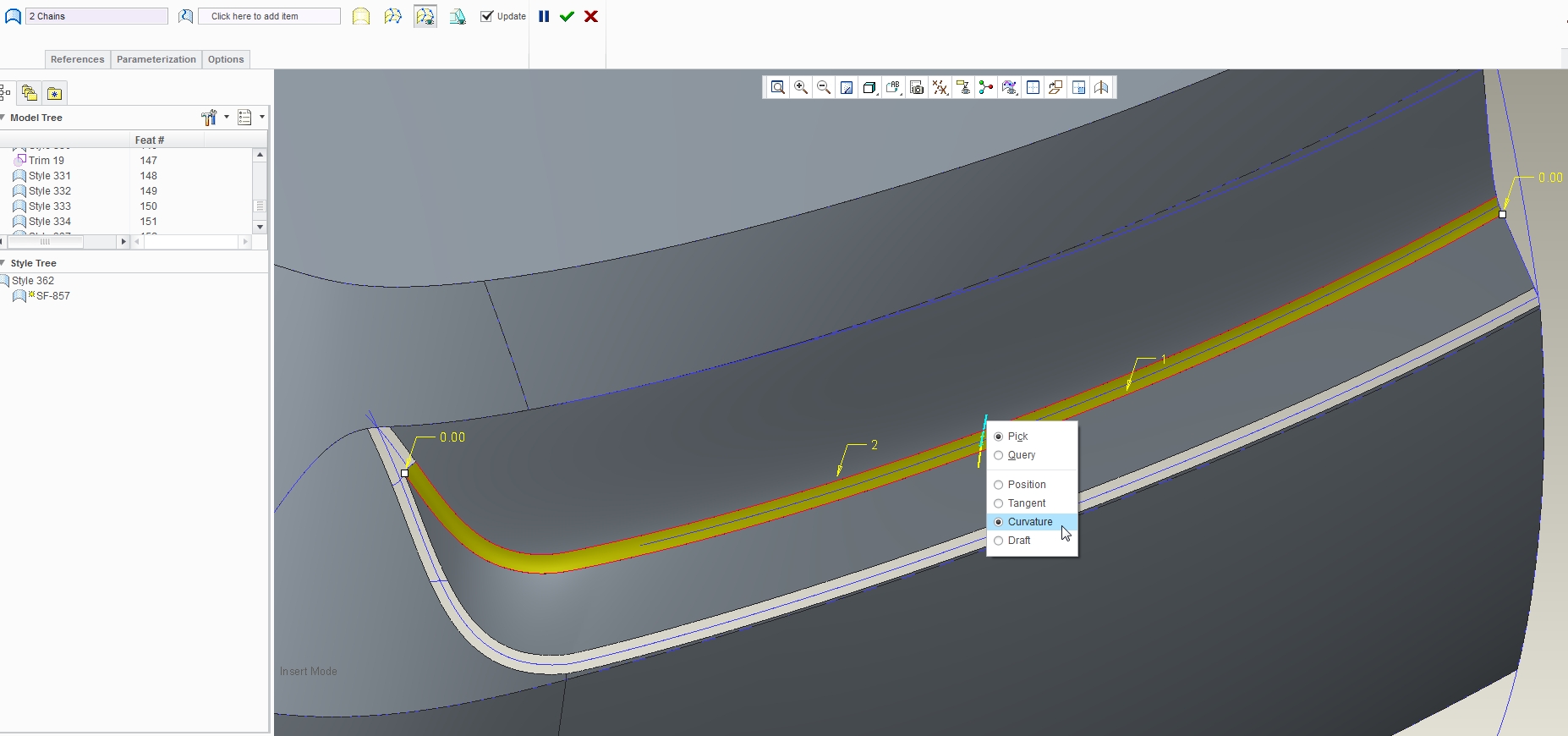
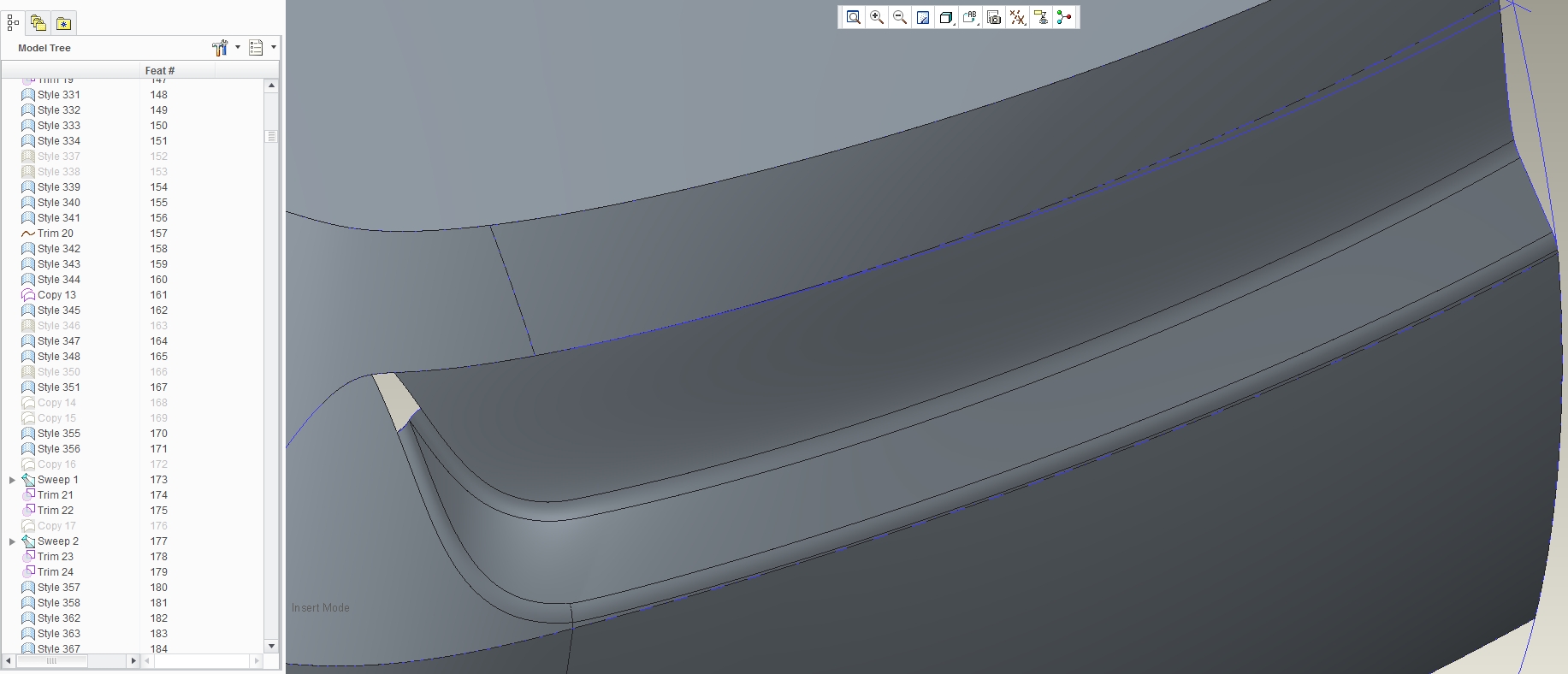
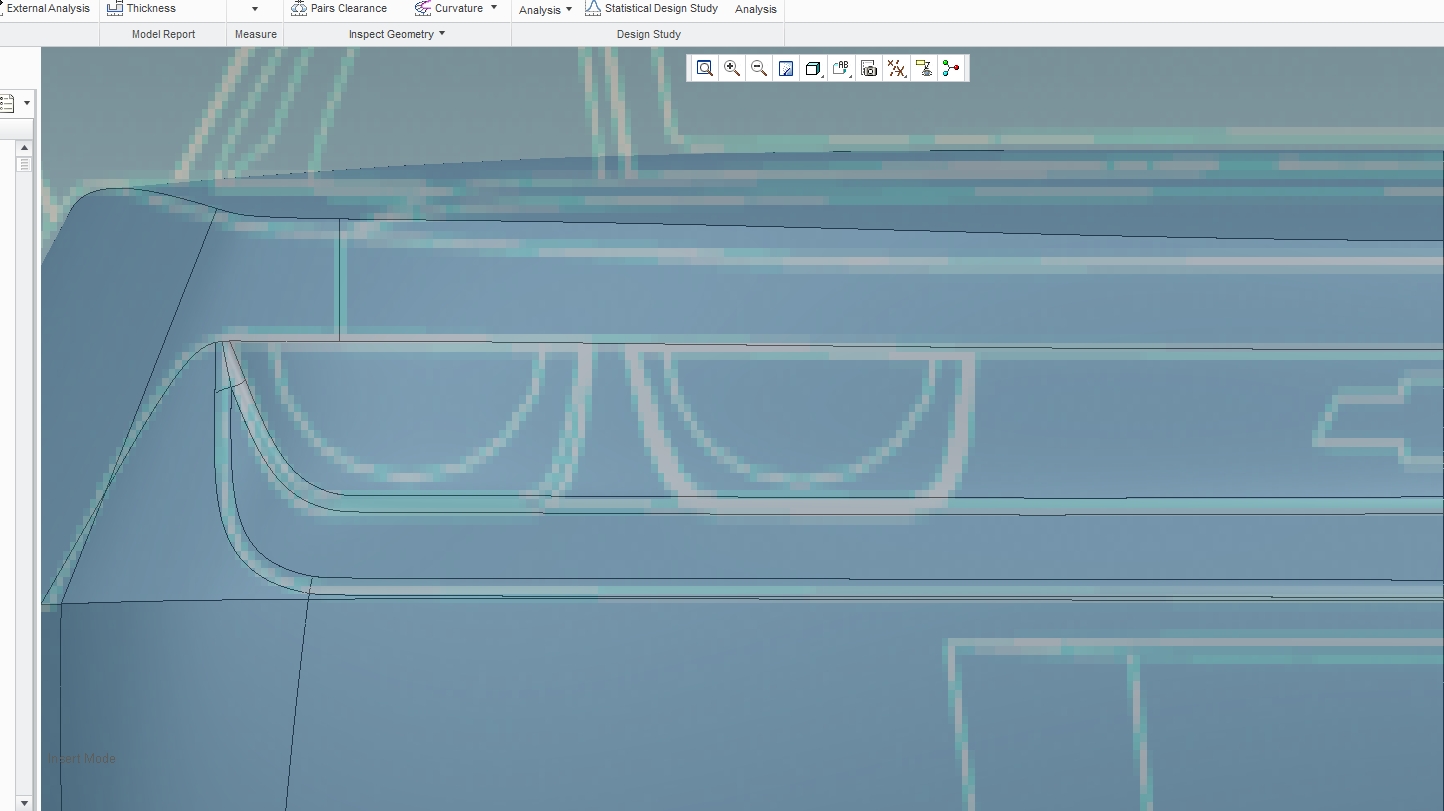
Class A surfaces is a term used in automotive design to describe a set of freeform surfaces of high efficiency and quality. Although, strictly, it is nothing more than saying the surfaces have curvature and tangency alignment - to ideal aesthetical reflection quality, many people interpret class A surfaces to have G2 (or even G3) curvature continuity to one another.
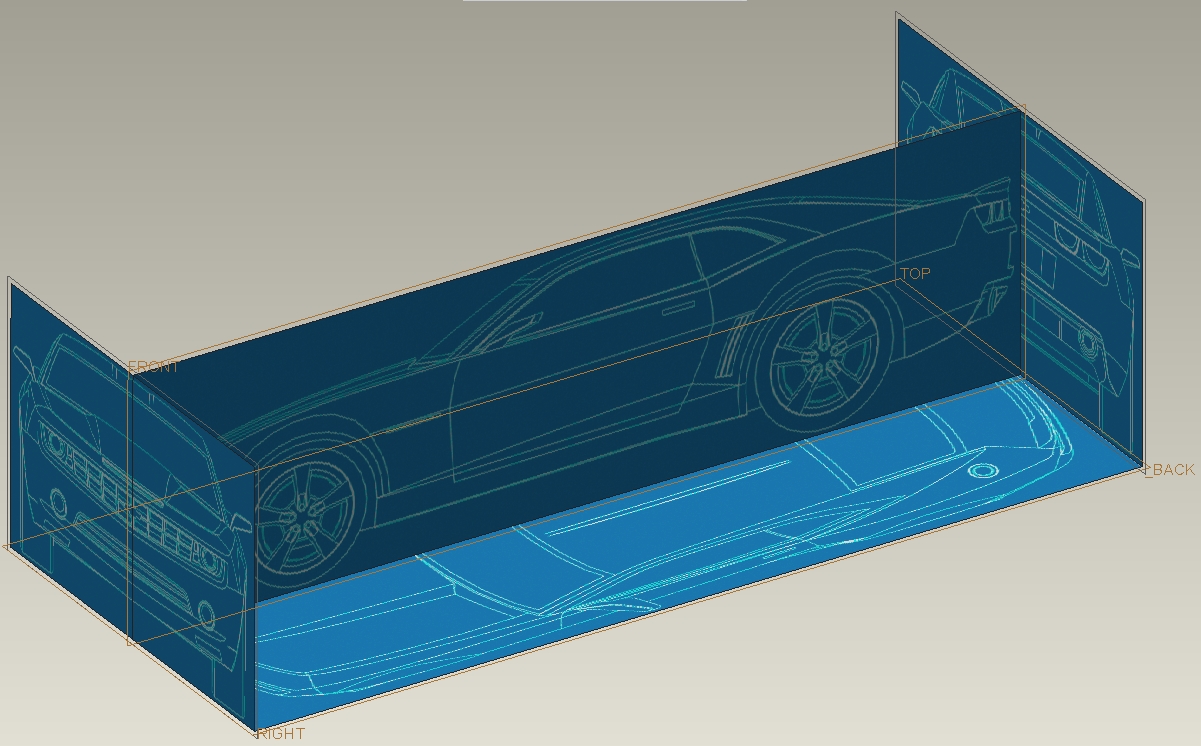
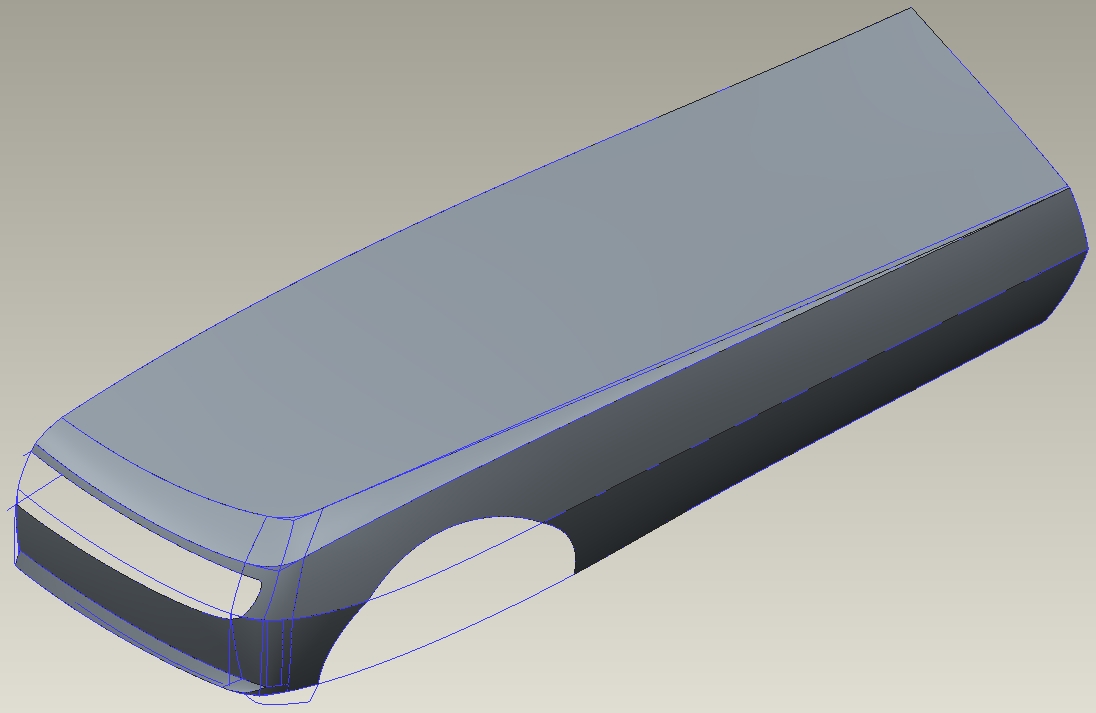
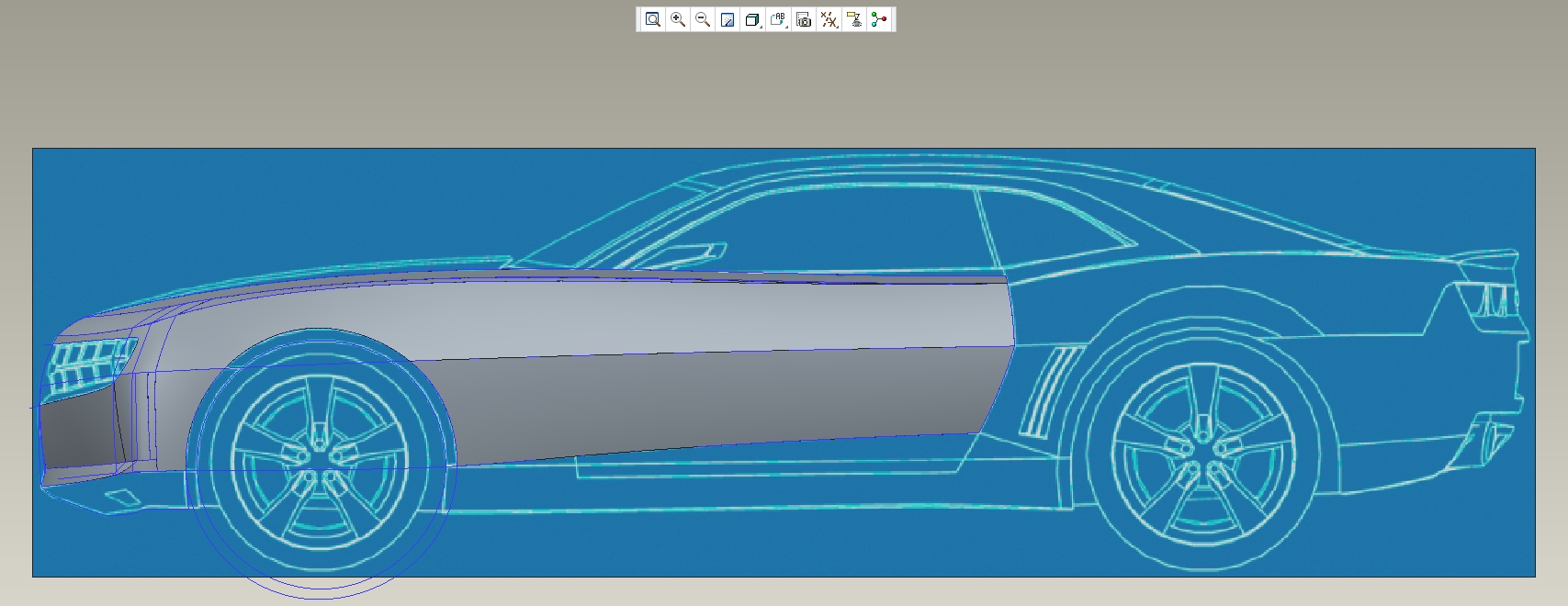
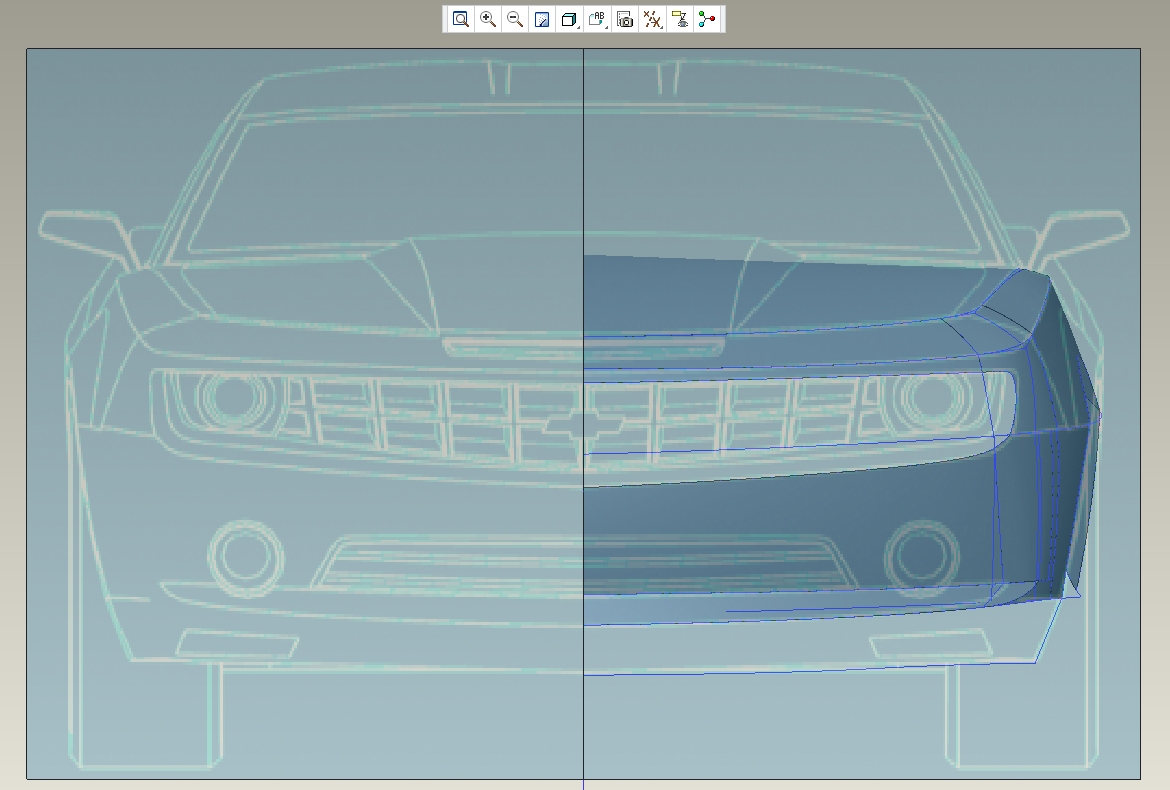
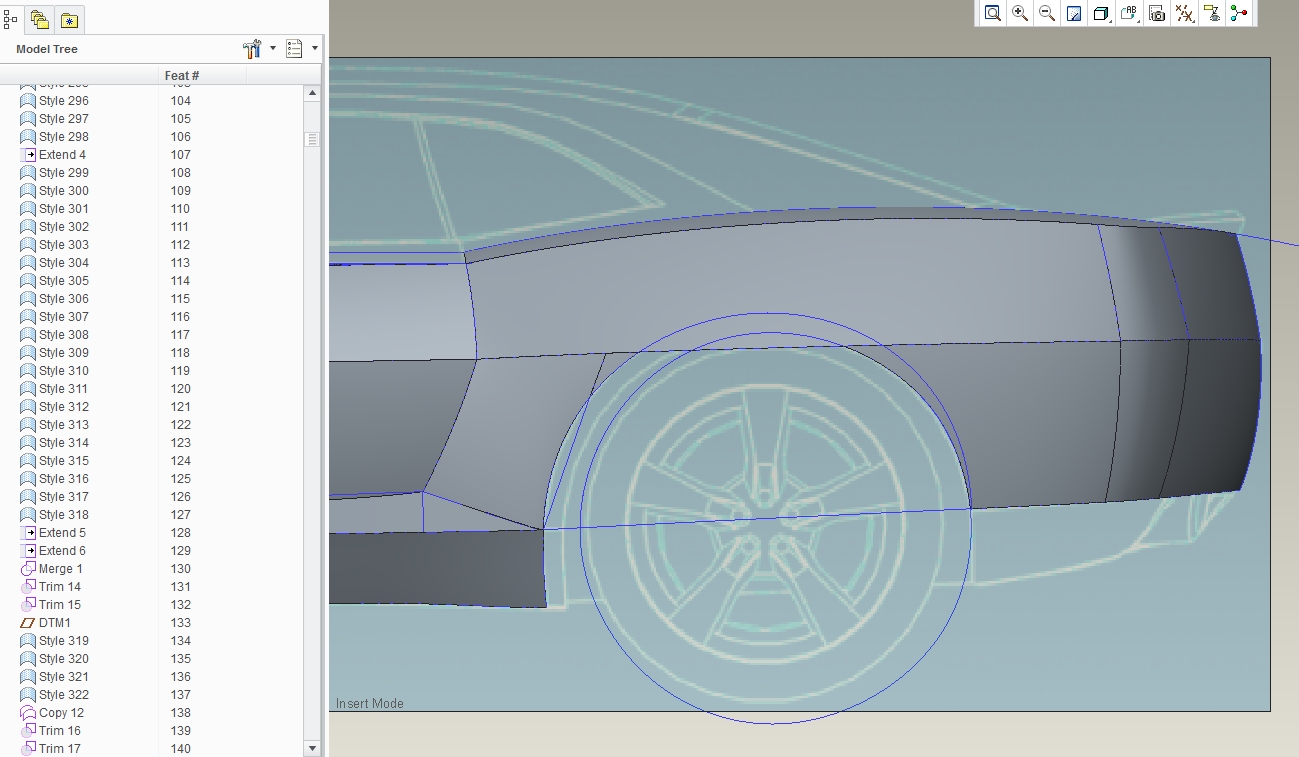
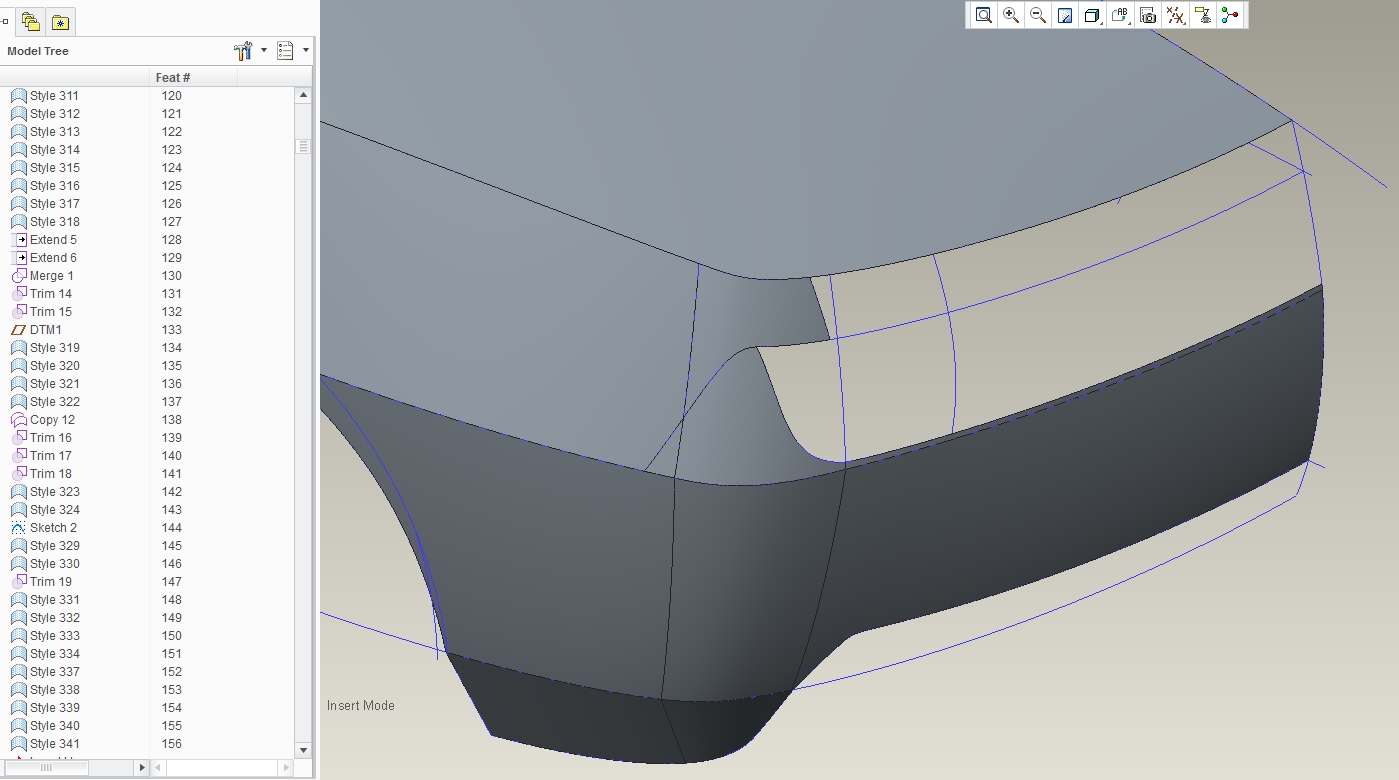
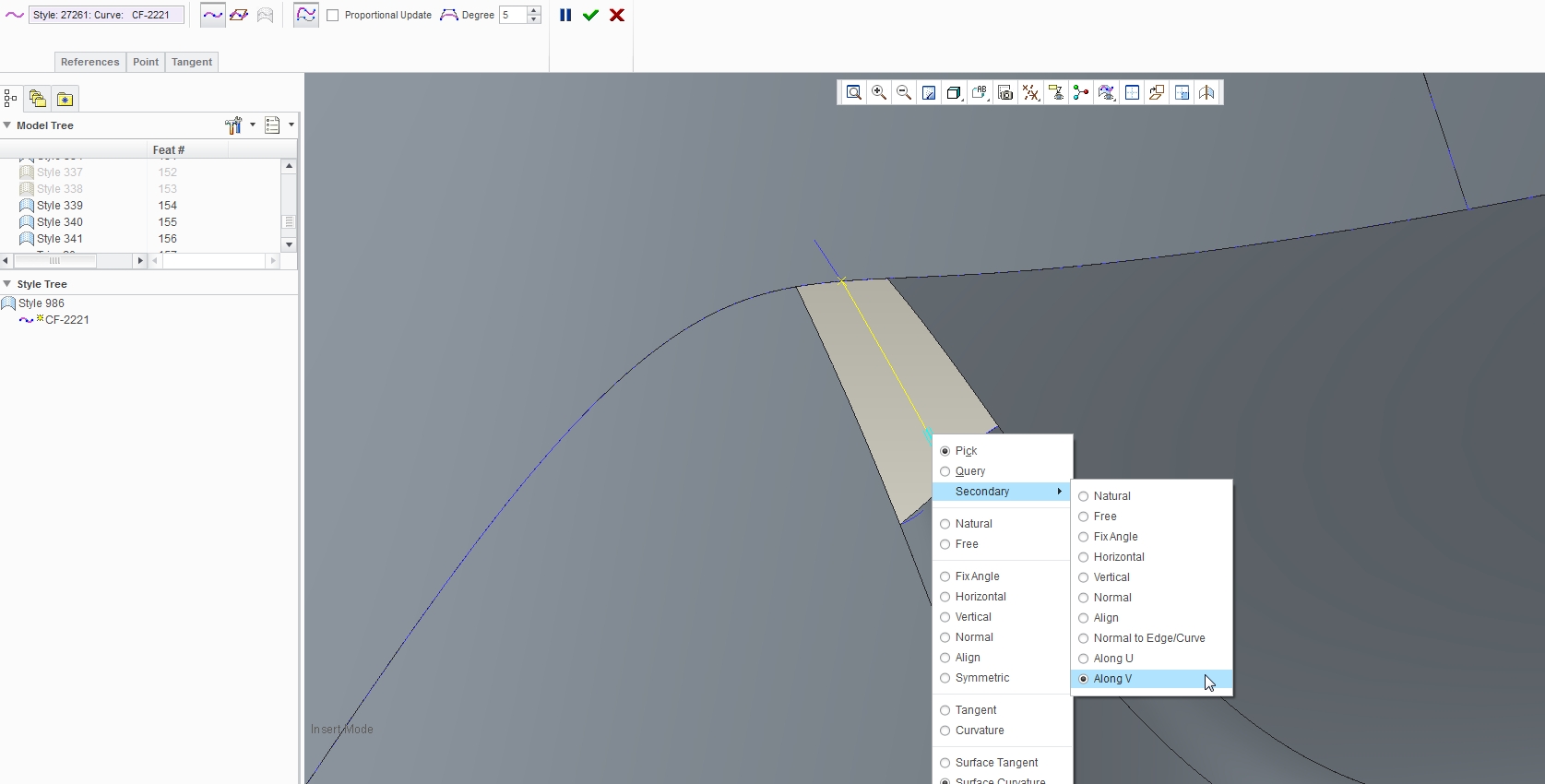
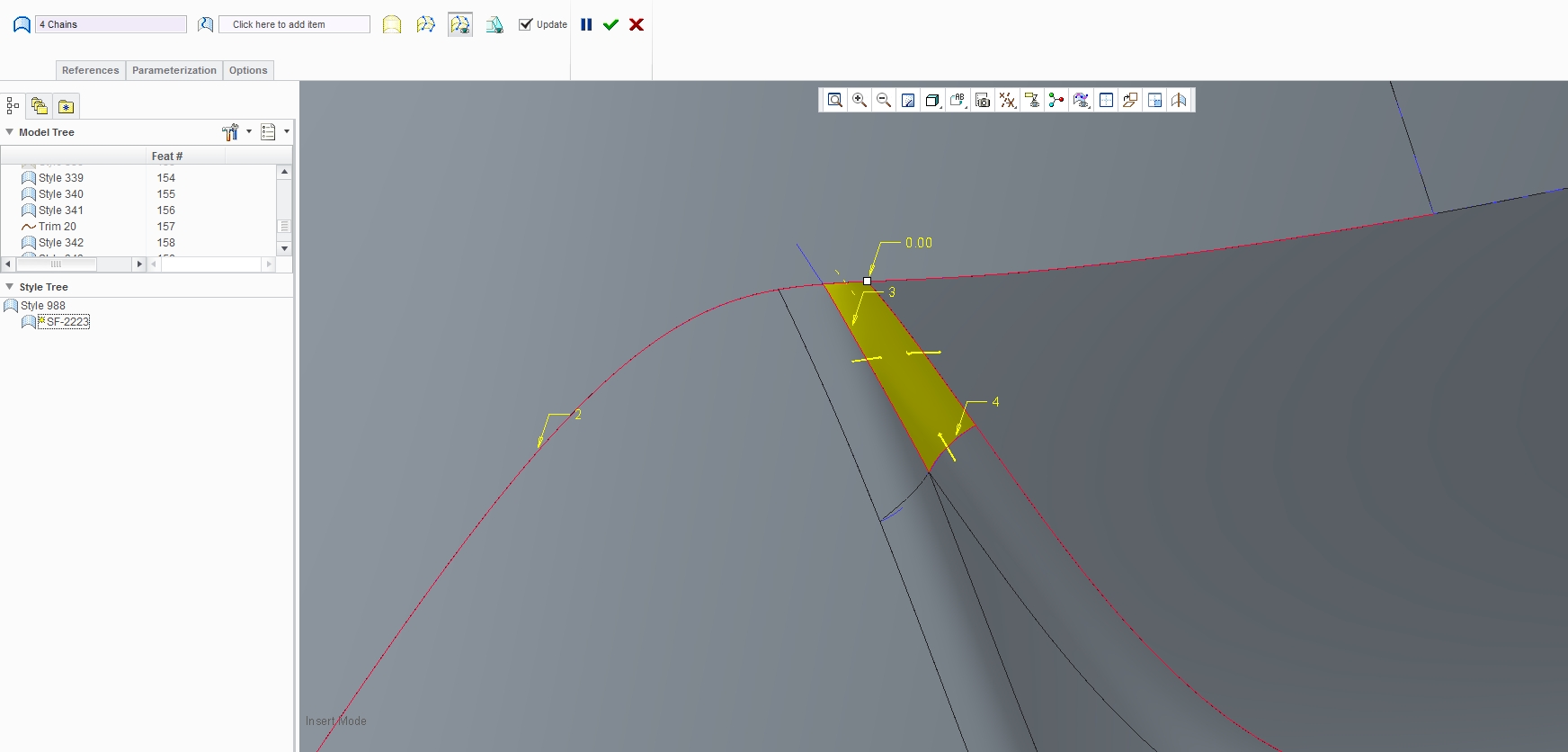
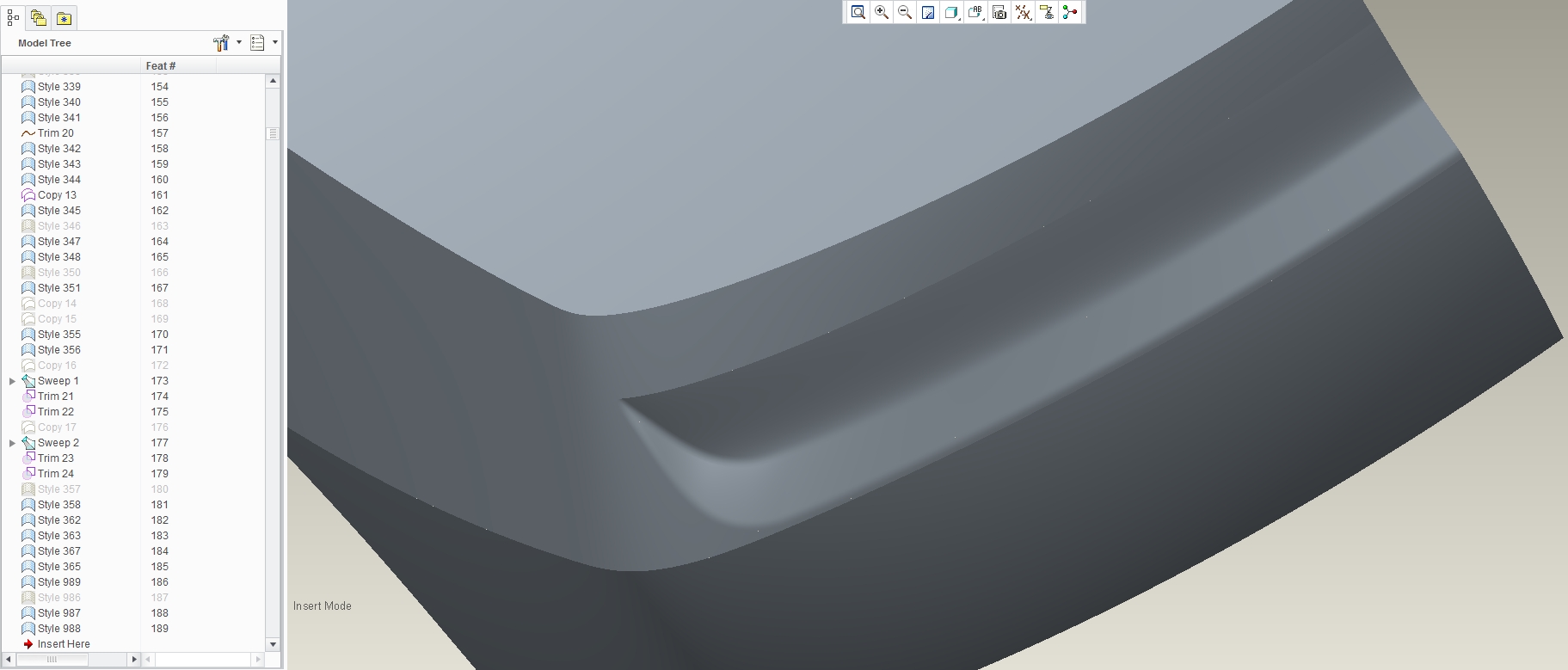
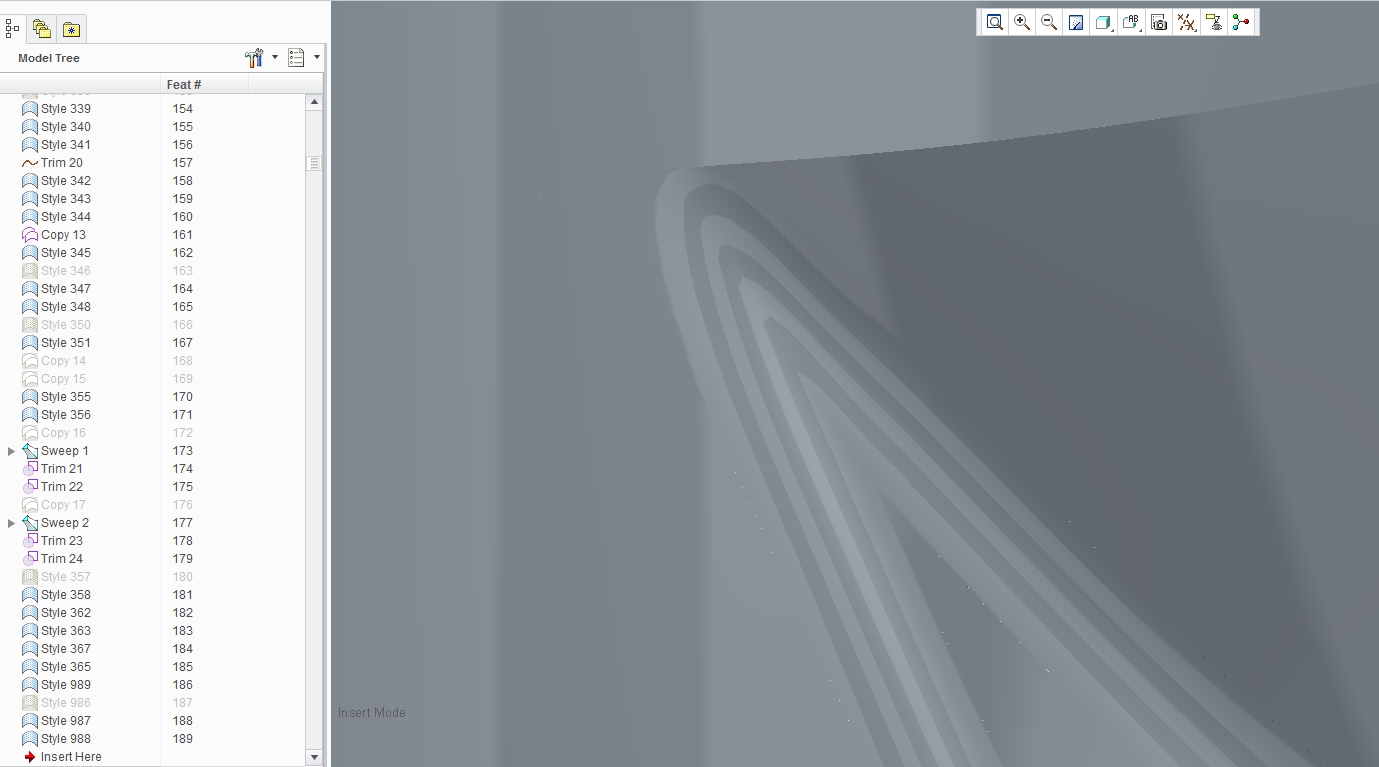
So, can Freeform, Style or boundary surfacing achieve a Class A surface with regard to the above definition? The answer, is yes. But your question is much more complicated than a simple yes. While very cool and great work, Marcio has not really created what would be regarded as a true Class A automotive surface set. He has created Style (ISDX) boundary surfaces with what appears to be G2 continuity. When working a production vehicle's surface set, we have the scan data (point cloud, optical scan facets, etc) in the background as the target. That data has all the nuances, fullness, inflections, reflection flow, etc...that the Studio Designer has painstakingly developed in clay. As the Body Designer, it is up to him or her to capture all that detail in the surfaces. The 2D "blueprint" that Marcio used cannot provide that detail. It simply give the "intersections" of surfaces. Remember, surfacing a vehicle requires "developed" geometry, not "resultant" geometry. 95% of the "surfaced" things you see out there are "resultant" in nature. I.E. Intersected sketches or surfaces to get a curve network (boundaries, U and V lines, etc...) then surfaces are created from that. Vehicles are done somewhat opposite.
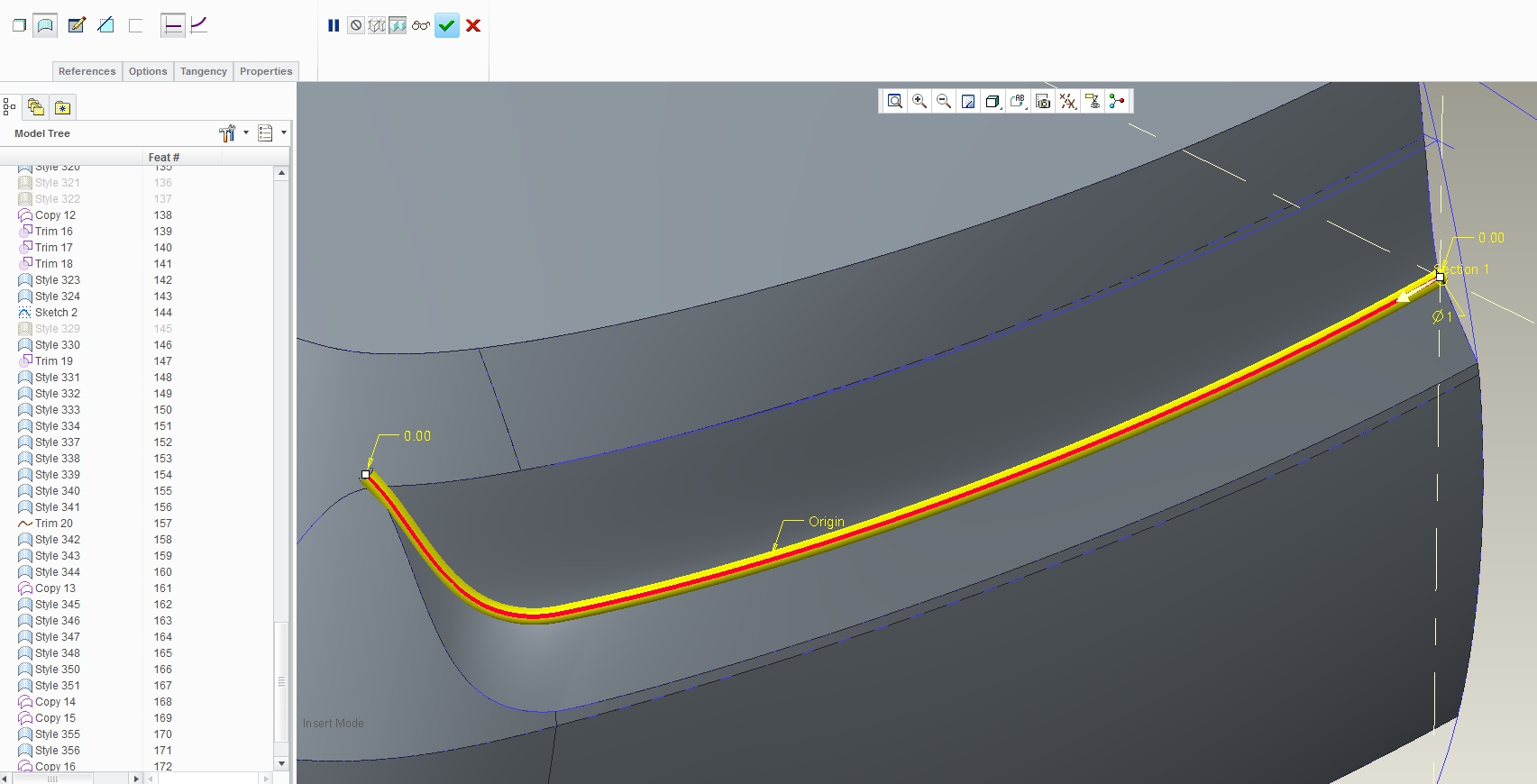
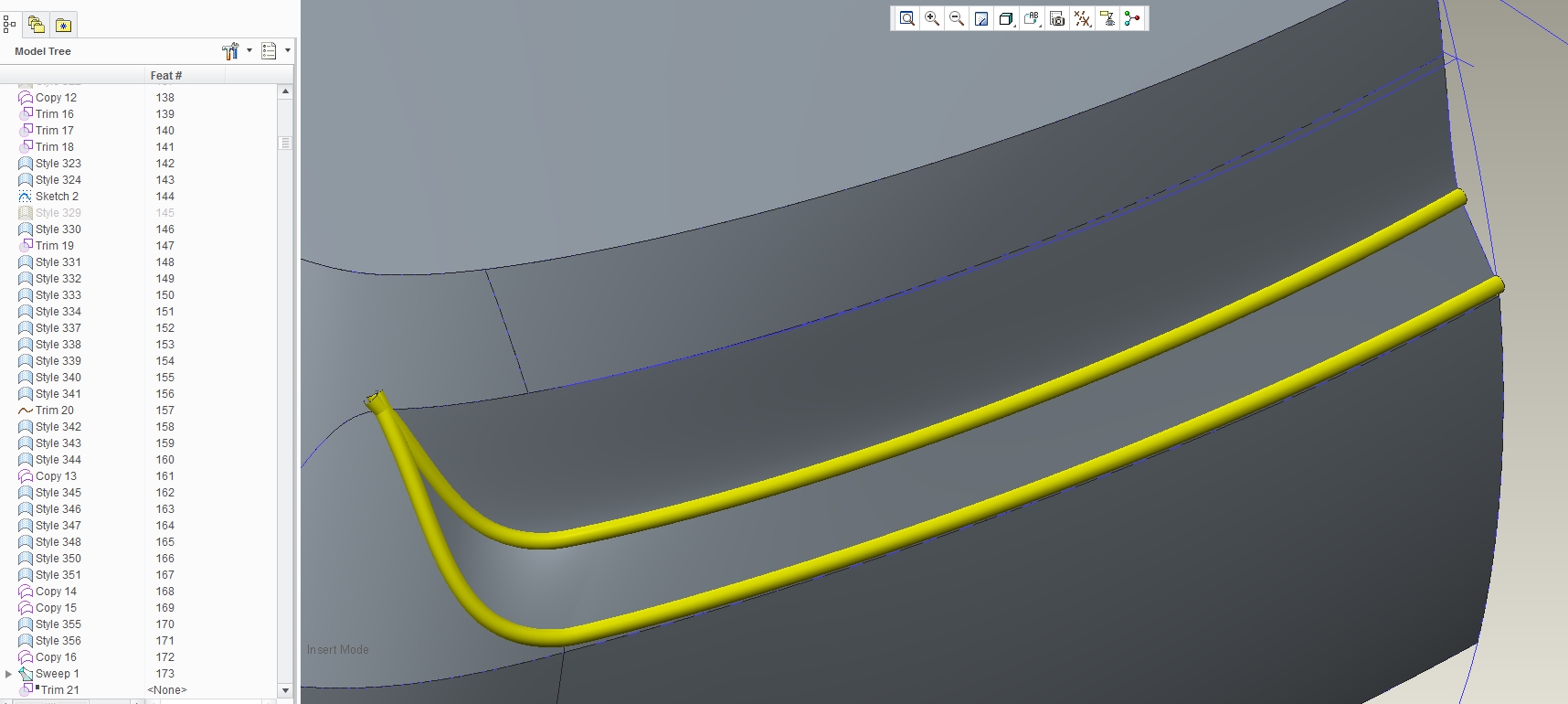
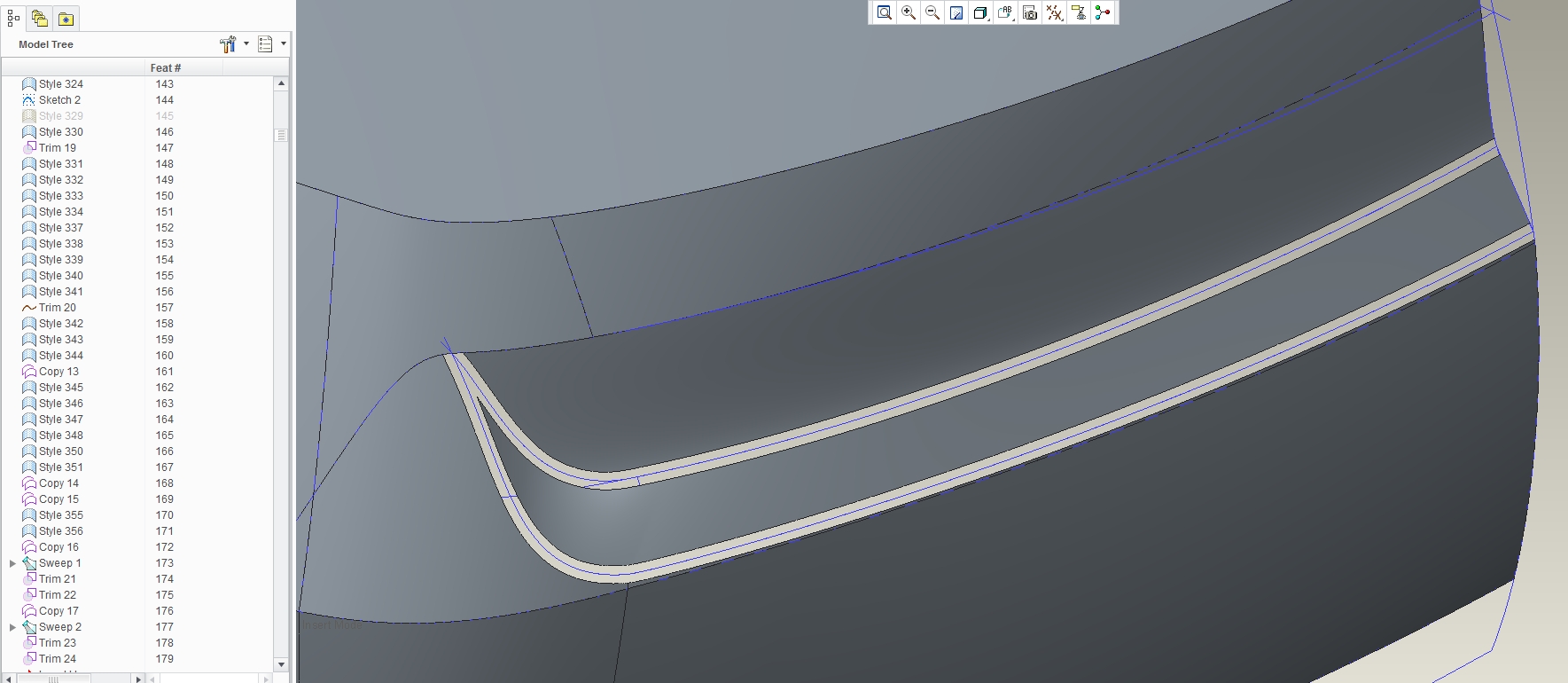
The other huge issue, with using the Creo suite for this kind of work, is it's too rigid and restrictive. All the Style feature(s) Marcio has created are 'related' with Parent/Child relationships along the way in order to get the G2. That's just the nature of Style. That means if he had to go back and remove feature 11 and replace it with a new surface he will lose continuity somewhere, or worse, the surface(s) will lose a reference and the whole data set will sit in limbo until it can be resolved. Real body design goes through this type of 'development' for a bit of time while the surfaces are being 'sweetened'. Not to mention the need to work
"inside" the boundaries to capture the details (fender dart, hood bulge, etc...) Easy manipulation
and verification of the surfaces is simply too difficult with Creo. This is why Catia, Icem/Surf, NX and others are used for this type of work. Creo et al simply does not make it easy to do.
Your real question was about Freestyle. Sub-D modeling looks pretty neat and I suspect that is could be used create some really cool stuff. Would it ever become the standard for vehicles? I cannot say.
Marcio, I know you will read this. Please don't mis-understand my response to Suresh. As I said earlier in the thread, you have done some really cool stuff with this exercise. I was simply pointing out the important nuances involved.