


66 - MBDA: Engineering complex weapons systems for modern conflict
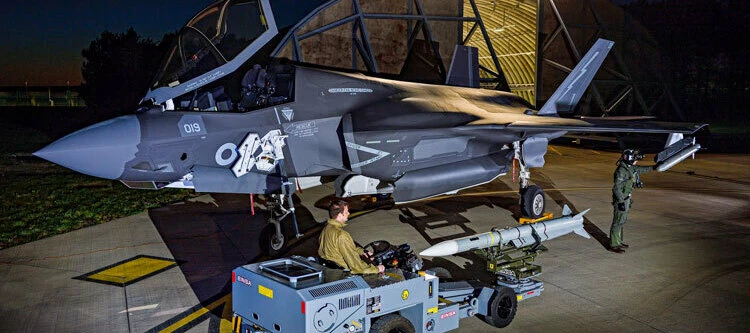
Our host, Paul Haimes, sits down with Matt Beaumont, Senior Vice President for Mechanical Engineering at MBDA, at its UK headquarters in Stevenage to explore how this European leader in complex weapons systems is targeting reductions in program timelines of up to 50%. By operating in a single source of truth, MBDA enables faster, more precise engineering - doubling production output and building a digital foundation ready for future AI advantage.
MBDA: How a Single Source of Truth Cuts Defense Program Timelines by Up to 50% (Third Angle Podcast)
Overview In this 31-minute episode of The Third Angle podcast from PTC, host Paul Haimes talks with Matt Beaumont, Senior Vice President for Mechanical Engineering at MBDA, at its UK headquarters in Stevenage. They discuss how this European leader in complex weapons systems is targeting program timeline reductions of up to 50% by working in a single source of truth.
Key Takeaways
- MBDA aims to cut program timelines by up to 50% by removing non-value-added tasks, not by rushing.
- A model-based single source of truth lets teams work in parallel instead of sequentially.
- Simulation is used long before hardware is built, combined with rapid prototyping.
- MBDA doubled its manufacturing output in two years.
How is MBDA cutting program timelines by up to 50%? MBDA, a European leader in complex weapons systems with more than 19,000 people, is cutting program timelines by reducing non-value-added tasks and shortening lead times. According to Matt Beaumont, this is not about rushing: it gives engineers more time to design with production, integration, and the full lifecycle in mind.
How does a single source of truth speed up engineering? A single source of truth lets data flow reliably across teams, so decisions are faster and teams can move from sequential workflows to parallel engineering. MBDA embeds critical information, from design intent to control characteristics, in the model, and controls access through a need-to-know culture.
What role does simulation play at MBDA? Simulation underpins everything MBDA does: systems are tested through multiphysics and system-level simulations long before hardware is built. This matters for products that may sit beneath an aircraft at 50,000 feet in freezing temperatures, then face intense heat and structural stress once activated.
How is MBDA using AI and generative design? MBDA uses AI to support engineers rather than replace them, for example to remove repetitive tasks or assess the cost impact of design changes in real time. Generative design already produces lighter, higher-performing components, though it can add manufacturing complexity.
How did MBDA double its manufacturing output in two years? MBDA doubled its manufacturing output in two years by embedding quality into every stage and ensuring reliable supply chains. Digital industrialization platforms carry design intent directly to the shop floor, and trust in a shared, continuously updated model is the foundation for future AI.
Frequently Asked Questions
Q: Will AI replace engineers at MBDA? A: No. The focus is on AI that supports engineers and leaves space for innovation.
Q: Can simulation fully replace physical prototypes? A: Not entirely. Hardware lead times remain a constraint, so MBDA combines simulation with rapid prototyping.
Links & Resources
- Third Angle Episode 66: MBDA, Engineering Complex Weapons Systems for Modern Conflict (ptc.com)
- Listen on Spotify (open.spotify.com)